No products in the cart.
When cities, schools, parks departments, and athletic facilities begin planning outdoor improvements, the focus is often placed on budgets, timelines, and immediate project needs. While these are certainly important considerations, the success of any outdoor improvement project depends heavily on selecting site furnishings that will continue performing well for years to come.
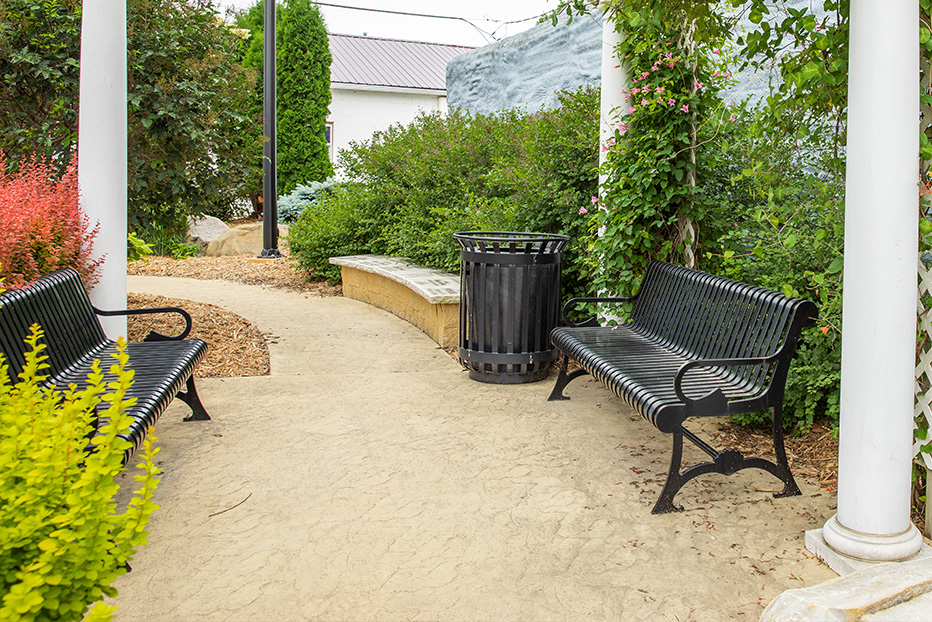
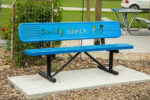
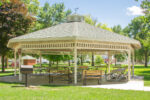
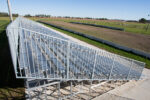
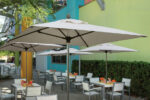
Benches, picnic tables, litter receptacles, bike racks, bleachers, grills, and other site solutions are often some of the most visible and frequently used elements within a public space. The right products can improve visitor experiences, reduce maintenance costs, and provide long-term value. The wrong products can lead to unexpected repairs, frequent replacements, and frustrated users.
Whether you are a city planner, parks director, athletic director, facilities manager, or school board member, avoiding a few common mistakes can help ensure your next project delivers lasting results.
One of the most common mistakes organizations make is evaluating products based solely on upfront cost. While lower-priced options may appear attractive during the budgeting process, they often result in higher long-term expenses through increased maintenance, repairs, and premature replacement. Outdoor furnishings are expected to withstand years of exposure to weather, public use, and changing environmental conditions.
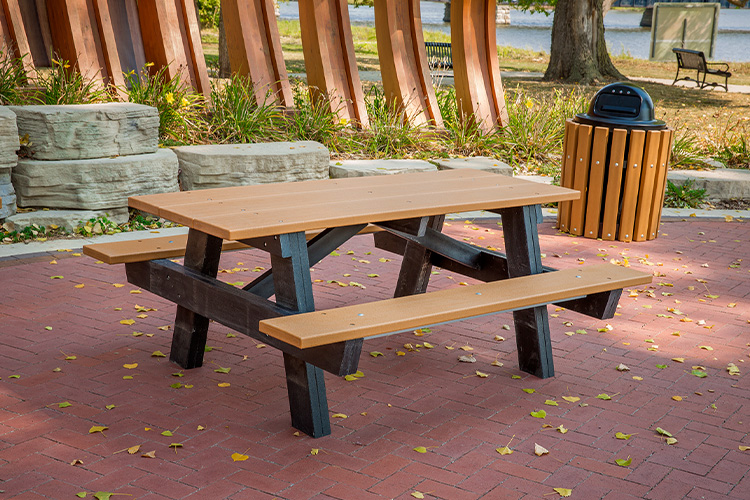
A picnic table that costs slightly more today but lasts twenty years may ultimately be far more economical than a cheaper alternative that requires replacement after only a few seasons. When evaluating products, planners should consider the total lifecycle cost, including maintenance requirements, replacement schedules, and labor costs associated with upkeep.
The goal should not simply be finding the lowest price, but finding the greatest long-term value.
Not every material performs equally in every location. A product that works well in a shaded campus courtyard may not perform the same way in a high-sun athletic complex or a heavily wooded park. Selecting materials without considering the installation environment can shorten product lifespan and increase maintenance demands.
For example, recycled plastic offers excellent weather resistance and low maintenance, making it a popular choice for parks and trails. Thermoplastic coated steel provides durability and color retention in high-traffic public spaces. Aluminum offers lightweight strength and corrosion resistance, while concrete products provide exceptional stability and vandal resistance.
Understanding how weather, usage patterns, sunlight exposure, and maintenance capabilities affect material performance helps organizations make better purchasing decisions.
Many purchasing decisions focus on installation costs without fully considering future maintenance responsibilities. Every outdoor furnishing requires some level of upkeep. The amount of maintenance required can vary significantly depending on the materials, finishes, and design features selected.
School districts, municipalities, and parks departments often operate with limited maintenance staff. Selecting products that require frequent painting, repairs, or replacement can place unnecessary strain on those resources. Low-maintenance materials such as recycled plastic, thermoplastic coated steel, hot-dip galvanized steel, and fiberglass often provide significant long-term advantages by reducing labor demands and maintenance expenses.
When evaluating site furnishings, maintenance requirements should be viewed as an important part of the purchasing decision rather than an afterthought.
Accessibility is no longer simply a recommendation—it is an essential component of successful public space design. Unfortunately, some projects still treat accessibility as a secondary consideration rather than incorporating it into the planning process from the beginning.
Public spaces should be designed to accommodate visitors of all ages and abilities. This may include ADA-accessible picnic tables, accessible drinking fountains, wheelchair seating areas within bleachers, accessible pathways, and ADA-compliant outdoor grills.
Planning for accessibility early often results in better integration, improved user experiences, and fewer costly modifications later. Inclusive spaces benefit entire communities and help ensure facilities remain welcoming to everyone.
Even the highest-quality site furnishings can become problematic if installation requirements are not properly considered. Many projects encounter delays or unexpected costs because installation planning occurs too late in the process. Factors such as underground utilities, existing concrete surfaces, soil conditions, drainage, and accessibility requirements all influence installation methods.
Cities frequently encounter challenges when locating underground electrical, communication, gas, or water lines. School campuses may need to coordinate installation around student schedules and building access. Athletic facilities may need improvements completed during offseason periods.
Understanding whether products require portable, surface-mounted, or in-ground installations helps planners avoid surprises and improve project efficiency. Successful installations begin with careful planning long before products arrive on site.
Many communities are experiencing growth, changing demographics, and increasing facility usage. A common mistake is designing projects only for current conditions rather than anticipating future demand.
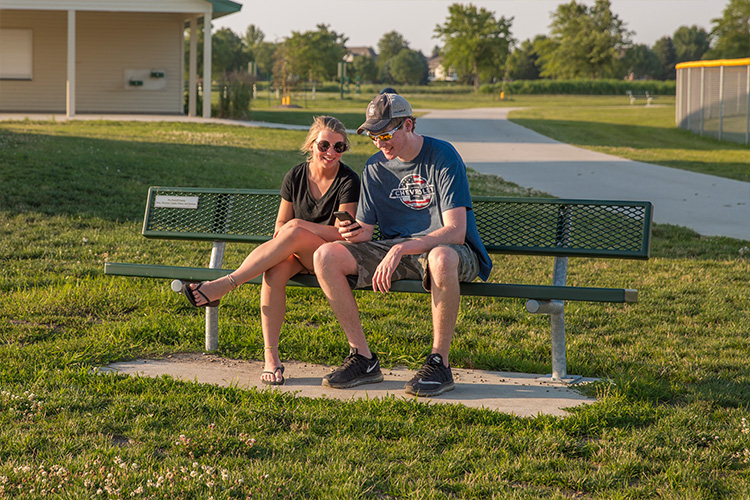
A park that comfortably serves visitors today may need additional seating, picnic areas, or recreational amenities within a few years. A growing school district may require expanded outdoor learning spaces or larger athletic seating capacities. Community event attendance may increase as facilities become more popular.
Planning for future growth does not necessarily mean purchasing the largest products available. Instead, it involves selecting solutions that can be expanded, supplemented, or adapted as needs evolve. Taking a long-term view helps maximize investment value and reduces the likelihood of costly upgrades in the near future.
Perhaps the biggest mistake organizations make is viewing site furnishings as the final step in a project rather than an important part of the overall design. Outdoor furniture directly influences how people interact with a space. Benches create opportunities for rest and conversation. Picnic tables encourage community gatherings and outdoor dining. Bike racks support alternative transportation. Bleachers enhance spectator experiences. Grills and fire rings encourage longer park visits.
These products help determine whether a space feels welcoming, functional, and inviting. When site furnishings are selected early in the planning process, they can be integrated more effectively into the overall project design. This often results in better layouts, improved accessibility, and a more cohesive visitor experience.
The most successful public spaces are designed around how people will actually use them, and site furnishings play a major role in that experience.
Outdoor furniture is an investment that impacts visitors every day. Whether improving a city park, upgrading a school campus, renovating athletic facilities, or developing a new public space, careful planning can help avoid costly mistakes and maximize long-term value.
The most successful projects focus on durability, accessibility, maintenance requirements, installation planning, and future growth. By evaluating these factors early, public officials can create spaces that remain attractive, functional, and welcoming for years to come.
At Kay Park Recreation, we have worked alongside cities, schools, universities, athletic facilities, and parks departments for more than 70 years. We understand the challenges planners face when balancing budgets, maintenance responsibilities, and community expectations. By choosing quality site solutions designed for long-term performance, organizations can build outdoor spaces that continue serving their communities well into the future.
Kay Park Recreation
1301 Pine St.
Janesville, IA 50647
Phone: 866-741-8266


Copyright © 2025, All rights reserved.