No products in the cart.
As towns and cities grow and evolve, so do the expectations for their public spaces. From downtown corridors to local parks and trail systems, well-planned site furnishings play a major role in how communities gather, move, and interact. Whether updating aging installations or planning entirely new layouts, the process begins with thoughtful evaluation and a clear understanding of how each space is used.
At Kay Park Recreation, we understand that successful site development is not just about selecting products—it is about creating environments that are functional, durable, and inviting for the public. With the right planning approach, municipalities can make informed decisions that improve usability, reduce maintenance concerns, and enhance the overall appearance of their spaces.
The first step in any site update or installation project is a thorough evaluation of current conditions. This includes inspecting existing benches, tables, receptacles, and other furnishings for signs of wear, damage, or outdated design. Cracked materials, rusted frames, or unstable mounting systems are all indicators that replacements or upgrades may be needed.
Beyond condition, it is equally important to assess how each space is being used. High-traffic areas may require more durable or permanently mounted solutions, while underutilized spaces may benefit from additional amenities that encourage activity. By understanding both the physical condition and usage patterns, planners can prioritize improvements that deliver the greatest benefit to the community.
Once needs are identified, choosing the right materials and mounting methods becomes a critical step. While these decisions are often guided by city planners or maintenance teams, they have a direct impact on long-term performance and upkeep.
For many municipalities, surface-mounted or in-ground mounted installations provide the best balance of stability and durability. These permanent mounting options help prevent movement, reduce vandalism, and ensure furnishings remain securely in place over time.
Material selection should also reflect the environment and level of use. High-traffic urban areas may benefit from heavy-duty materials with protective coatings, while parks and natural spaces may call for materials that blend with the surroundings while still offering long-term durability. Choosing the right combination helps reduce maintenance demands and extend product lifespan.
Careful planning is essential to the success of any site improvement project. While selecting products is an important step, understanding the installation process and potential challenges can help avoid delays and unexpected costs.
One of the most common considerations in urban environments is avoiding existing utility lines. Underground utilities such as water, gas, and electrical lines must be identified and accounted for before any digging or mounting takes place. This often requires coordination with local utility services and careful review of site plans.
Another key factor is scheduling pathway or area closures during installation. Whether working in a busy downtown corridor or a popular park, allowing adequate time and space for installation ensures the work can be completed safely and efficiently. Planning for these temporary disruptions helps minimize inconvenience to the public while ensuring proper installation standards are met.
Parks and trails offer opportunities for relaxation, recreation, and connection with nature. Adding or upgrading site furnishings in these areas can greatly improve how visitors use and enjoy the space.
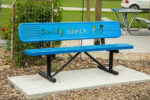
Benches placed along walking paths and scenic viewpoints provide convenient rest areas for pedestrians, encouraging longer visits and making trails more accessible to a wider range of users. Thoughtful placement—such as near overlooks, intersections, or shaded areas—can enhance both comfort and usability.
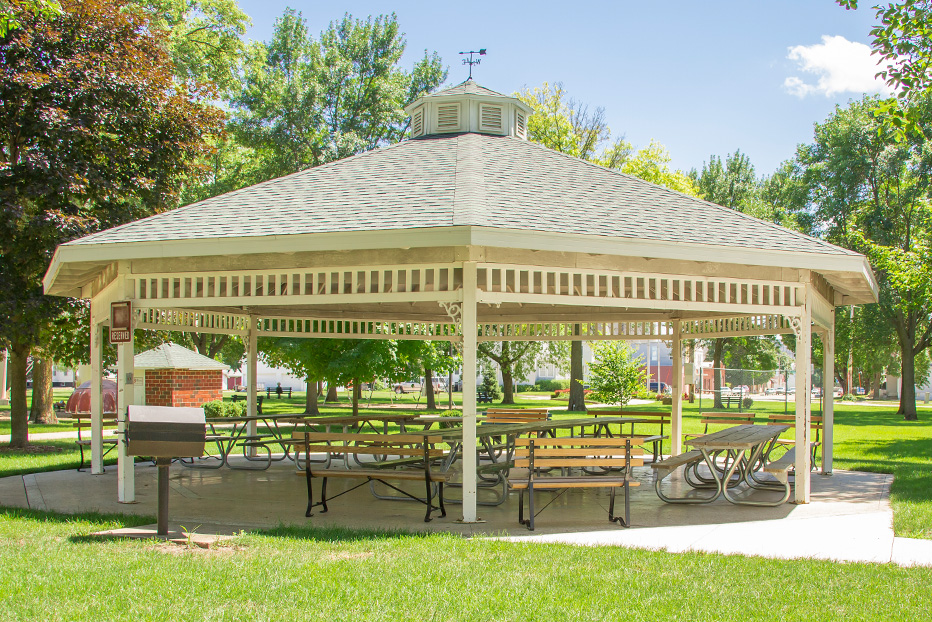
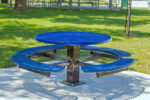
Picnic tables create gathering points for families, community groups, and outdoor meetings. Whether located in open park areas or near playgrounds and shelters, these tables support a variety of activities, from casual lunches to organized events. Durable materials and stable mounting options help ensure these installations remain reliable through frequent use and changing weather conditions.
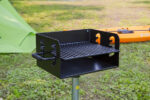
Outdoor Grills offer an easy to use and always accessible installation for picnics, events, and celebrations. Placement near park shelters alongside picnic tables and litter receptacles offers the public a fully equipped space to encourage citizens to step away from the phones and computers and embrace the outdoors during the warmer months.
Downtown environments often serve as the heart of a community, making them a key focus for site improvements. Cleanliness, accessibility, and visual appeal all contribute to how these areas are experienced by residents and visitors alike.
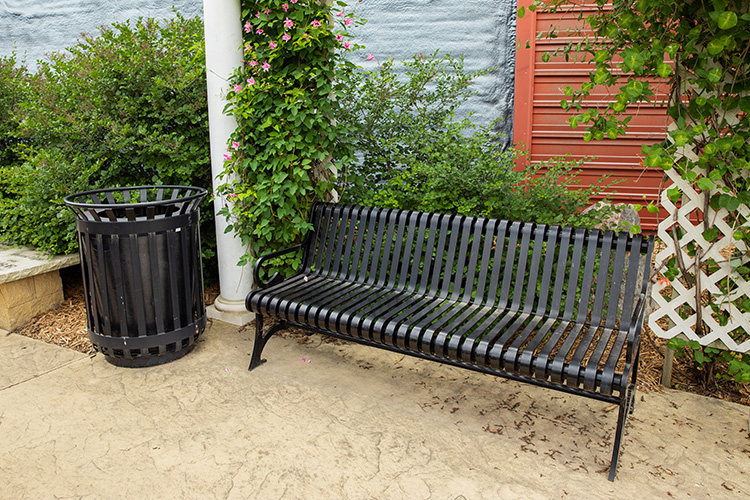
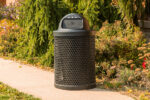
Installing litter receptacles in high-traffic zones can significantly reduce litter and simplify maintenance efforts. When placed strategically along walkways, near seating areas, and around gathering points, receptacles encourage proper waste disposal and help maintain a polished appearance.
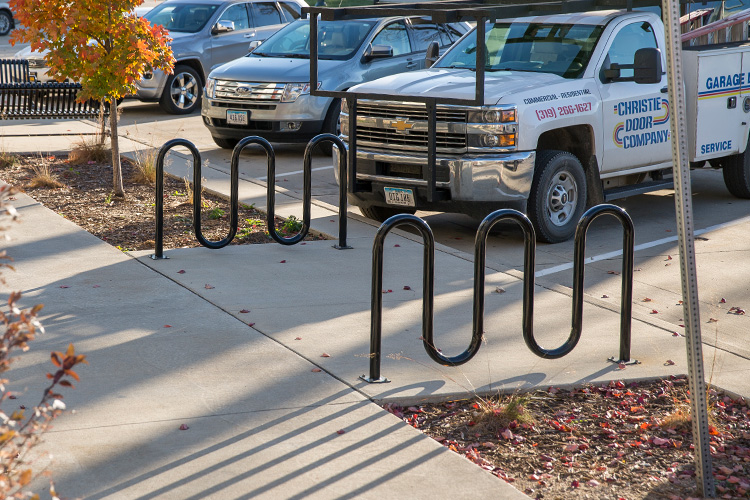
Bike racks are another valuable addition, promoting alternative transportation and making it easier for residents to navigate the city without relying on vehicles. As communities continue to prioritize walkability and sustainability, bike-friendly infrastructure becomes an increasingly important feature.
To further enhance visual appeal, planters can be incorporated throughout downtown spaces. These additions bring natural elements into urban settings, supporting sustainability efforts while brightening streetscapes with greenery and seasonal plantings. Larger and more durable options such as the concrete planter installation can also offer safety benefits, acting as bollards to prevent vehicles from injuring pedestrians on the sidewalks of busy downtown areas.
Updating and installing site furnishings is an opportunity to shape how communities experience their public spaces. By evaluating current conditions, identifying needs, and planning carefully, towns and cities can create environments that are cleaner, more functional, and more inviting.
From downtown improvements that support sustainability and organization to park enhancements that encourage relaxation and recreation, every installation plays a role in the bigger picture. With durable materials, thoughtful placement, and proper planning, municipalities can invest in solutions that serve their communities for years to come.
At Kay Park Recreation, we are proud to support cities and towns in creating spaces that bring people together—one installation at a time.
Kay Park Recreation
1301 Pine St.
Janesville, IA 50647
Phone: 866-741-8266


Copyright © 2025, All rights reserved.