No products in the cart.
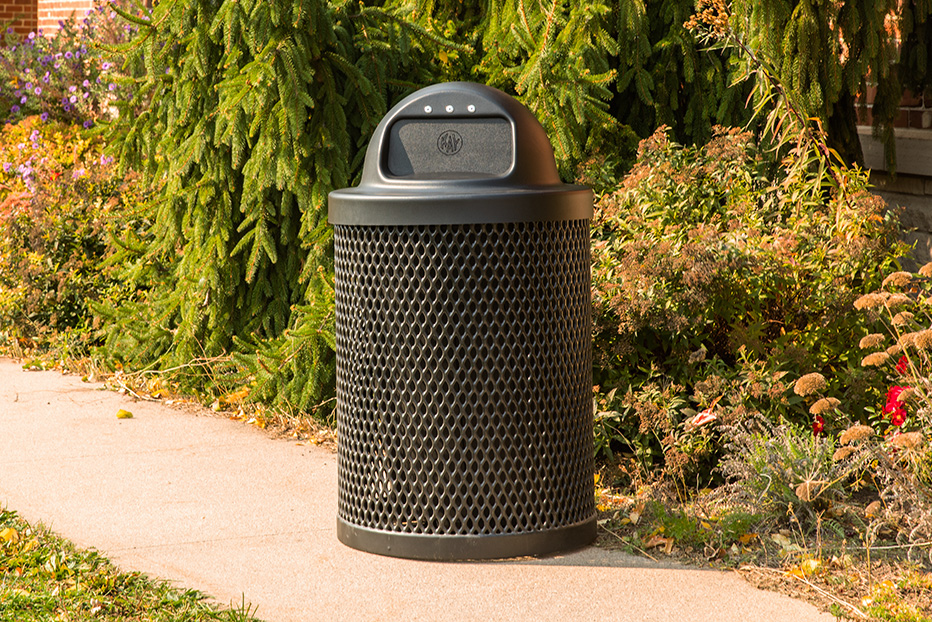
When developing or upgrading an outdoor public space, litter receptacles are often one of the most overlooked site amenities. However, they play a critical role in maintaining cleanliness, improving visitor experience, and protecting natural environments. Parks, campgrounds, schools, recreation areas, and municipal spaces all benefit from well-placed, durable waste receptacles that can handle frequent use and changing weather conditions. Selecting the right receptacle requires careful consideration of materials, mounting styles, and the type of environment where the unit will be installed.
For facility managers and planners, the goal is to balance durability, maintenance needs, and appearance. A receptacle placed along a quiet nature trail may have very different requirements than one positioned near a concession stand or picnic shelter. By understanding the strengths of each material and mounting option, it becomes easier to select litter receptacles that will perform reliably for years while blending seamlessly into the surrounding space.
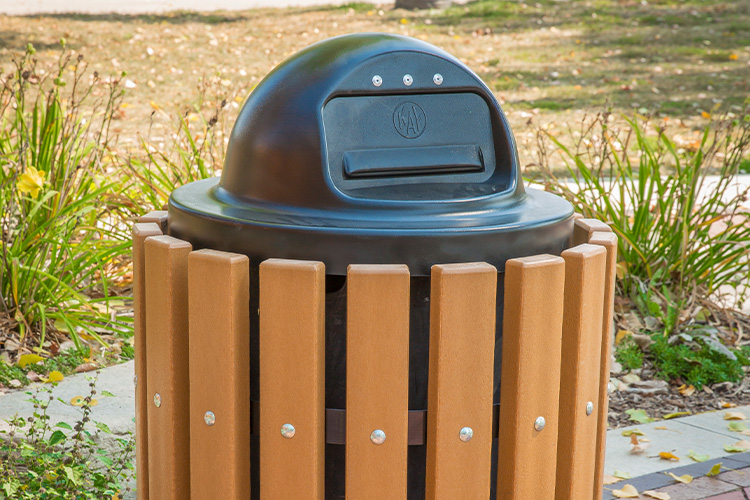
The material used in a litter receptacle has a direct impact on its longevity, maintenance requirements, and overall suitability for specific locations. Different environments call for different strengths, whether that is resistance to corrosion, impact durability, or the ability to blend with surrounding site furnishings.
While most litter receptacles are designed as freestanding units, installation methods can vary depending on the location and the level of permanence desired. Freestanding models are commonly used in parks and campgrounds because they allow staff to reposition units as site layouts change or as seasonal needs evolve. This flexibility is especially useful for facilities that host events or experience fluctuating visitor traffic.
For areas that require additional stability or protection from movement, surface-mounted receptacles provide a more secure option. These models can be bolted directly to concrete pads, sidewalks, or other solid surfaces. Surface mounting helps prevent tipping, shifting, or unauthorized relocation, which can be particularly beneficial in busy recreational areas, near concession stands, or along walkways where consistent placement is important.
Some receptacle systems, including options like the 132LR series and select thermoplastic coated steel units, also offer in-ground mounted frames. These installations involve anchoring the receptacle support directly into the ground or concrete footing. In-ground mounting creates a permanent fixture that can withstand heavy use while keeping the receptacle firmly in place. This style is commonly used in high-traffic parks, school grounds, and locations where long-term placement is preferred.
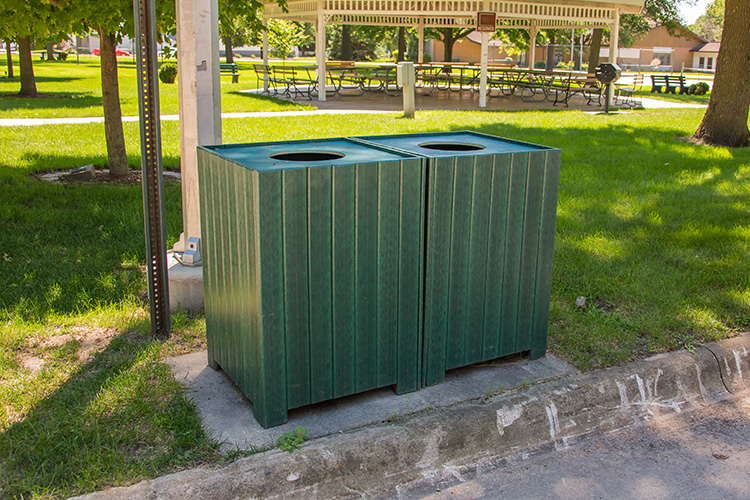
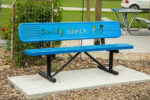
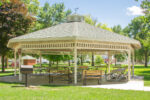
Litter receptacles are an essential part of a larger site furnishings plan. When coordinated with benches, picnic tables, grills, and other outdoor amenities, they help create a cohesive and inviting space. Matching materials, colors, and design styles can elevate the appearance of a park or recreation area while reinforcing the sense of organization and care throughout the facility.
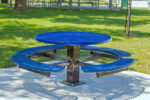
For example, thermoplastic or plastisol-coated receptacles often pair well with similarly coated benches and picnic tables, creating a unified look across gathering areas. Recycled plastic units can complement sustainable site furnishings, while concrete receptacles may be chosen to match architectural landscaping elements in urban environments.
Providing the right litter receptacles is a simple but impactful way to maintain the quality and cleanliness of public outdoor spaces. By selecting durable materials and appropriate mounting options, facility managers can ensure their receptacles continue performing reliably through years of weather exposure and daily use.
With thoughtful planning and careful product selection, parks, campgrounds, and recreation facilities can create waste collection systems that are both practical and visually appealing. The result is a cleaner, more enjoyable environment that encourages visitors to respect and care for the outdoor spaces they enjoy.
Kay Park Recreation
1301 Pine St.
Janesville, IA 50647
Phone: 866-741-8266


Copyright © 2025, All rights reserved.